


Recipe Image

The Future of Golden Honey – A Vision Beyond Sweetness

: September 27, 2025

Golden Honey is more than just organic honey from Africa
it is a vision for a better future. Our mission goes beyond harvesting
honey; we aim to create lasting change in the lives of farmers and their
families.

We are expanding production to meet the growing demand for pure
Ethiopian honey, while also helping farmers build related businesses that
complement beekeeping. From small-scale farming to eco-friendly
enterprises, these opportunities ensure prosperity for generations.
...

Recipe Image

Sweetness with a Purpose How Golden Honey Empowers Farmers

: September 27, 2025

At Golden Honey, we believe that every jar of Ethiopian honey tells two
stories: one of nature, and one of people. Behind our golden jars are the
hardworking farmers of Jimma, Keffa, Bonga, and Gera, whose livelihoods
are strengthened through sustainable beekeeping.

We partner with local farmers by providing modern beekeeping tools,
training, and resources. This not only increases honey production but also
creates stable income opportunities. In these communities, beekeeping in
E...

Recipe Image

From Wildflowers to Your Table – The Journey of Golden Honey

: September 27, 2025

Ethiopia is often celebrated as the birthplace of coffee, but it is also home
to one of nature’s sweetest treasures: honey. Deep in the highland forests
of Jimma, Keffa, Bonga, and Gera, bees thrive among vibrant wildflowers,
creating a honey unlike any other in the world.

At Golden Honey, we harvest pure, natural honey straight from these
untouched landscapes. Our bees collect nectar from blossoms like ሜቲ
(Meti) and ጌታማ (Getama), blending the flavors of Ethiopia’s bi...

Health Benefits of Honey

Honey in Ethiopia A Tradition as Old as Time

Ethiopia is not only known as the birthplace of coffee, it is also one of the world’s oldest centers of beekeeping and honey production. For
thousands of years, honey has played a central role in Ethiopian culture,
from food and medicine to rituals and celebrations.

One of Ethiopia’s most famous traditions is tej, a honey wine that has been
brewed for centuries. In rural households, honey is also used as a natural
sweetener, a healing remedy, and even as part of spiritual practices. This
deep cultural connection makes Ethiopian honey more than just a product
it is a symbol of heritage and identity.

Today, Ethiopia is among Africa’s leading honey producers, thanks to its
rich biodiversity and favorable climate. The result is honey that is uniquely
fragrant, nutrient-rich, and highly sought after worldwide.

At Golden Honey, we are proud to continue this ancient tradition while
adding a modern touch. By supporting farmers with training, tools, and
sustainable practices, we not only preserve the legacy of Ethiopian honey
but also bring its natural goodness to homes around the globe.

When you taste Golden Honey, you are tasting a piece of history, a tradition
that flows from Ethiopia’s wild forests to your table.
Beekeeping Insights

The Types of Ethiopian Honey and Their Purposes

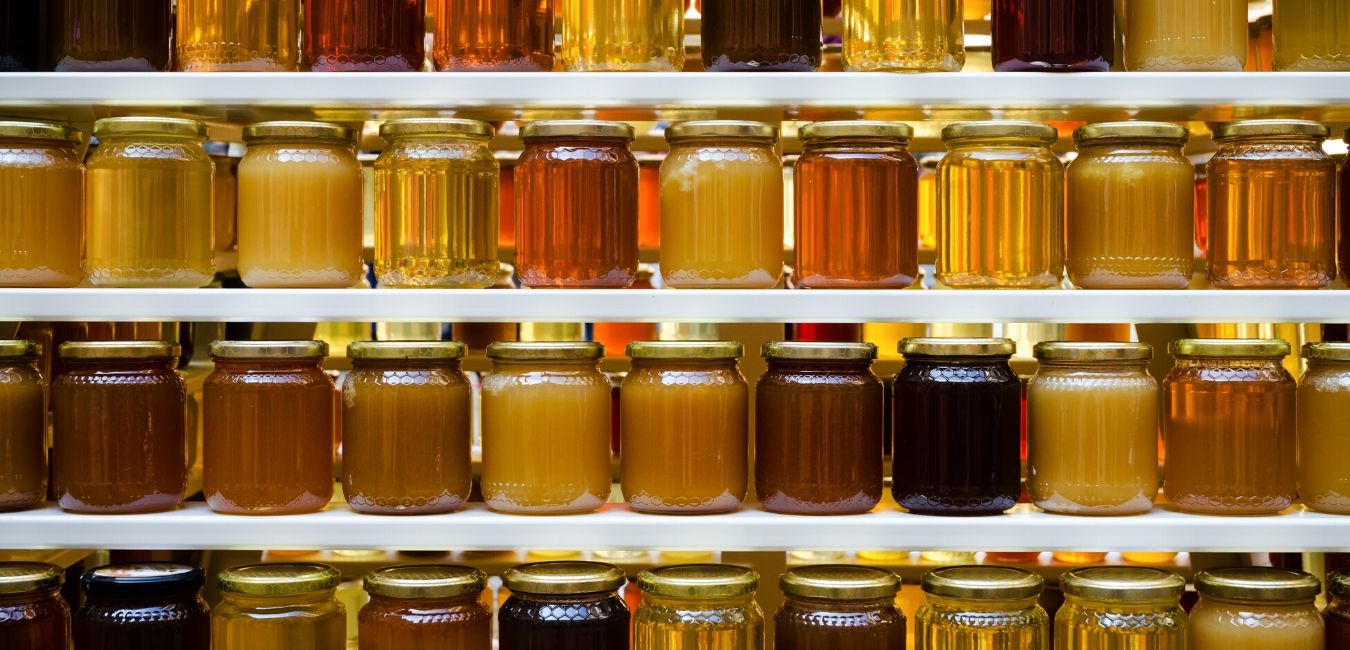
Ethiopia is one of Africa’s top honey producers and home to some of the most unique varieties of honey in the world. Thanks to its diverse landscapes — from highland forests to lowland plains — Ethiopia produces honey in different colors, flavors, and textures. Each type has its own purpose, whether for food, medicine, or cultural traditions.

Here’s a closer look at the main types of honey in Ethiopia and how they are used:
1. White Honey (Tigray Honey)
● Origin: Northern Ethiopia, especially Tigray. ● Color & Taste: Light cream or almost white; smooth and mild in flavor. ● Purpose: A premium honey often valued for its medicinal properties, used in healing, mixed with milk, or eaten raw as a luxury treat.
2. Yellow/Golden Honey
● Origin: Widely found in the central and western highlands, including Jimma, Keffa, Bonga, and Gera. ● Color & Taste: Bright golden-yellow with a floral, balanced taste. ● Purpose: Popular as an everyday natural sweetener in tea, coffee, and cooking. It’s also enjoyed for its health benefits, boosting energy and immunity.
3. Red Honey
● Origin: Southwestern Ethiopia, particularly Sheka, Keffa, and Oromia forest regions. ● Color & Taste: Deep red with a strong, bold flavor. ● Purpose: Traditionally used in making tej (Ethiopian honey wine) and in cultural ceremonies. It’s also consumed raw for strength and vitality.
4. Black Honey
● Origin: Produced mainly in lowland and semi-arid areas. ● Color & Taste: Dark brown to black, thick, with a sharp earthy taste. ● Purpose: Known for its traditional medicinal uses — helping with stomach ailments, respiratory problems, and overall wellness. It also has spiritual uses in some communities.
5. Tej Honey (Honey for Fermentation)
● Origin: Harvested across Ethiopia, often chosen for brewing based on its intensity. ● Color & Taste: Varies from golden to dark, depending on the flowers. ● Purpose: The essential ingredient for tej, Ethiopia’s famous honey wine, enjoyed at weddings, holidays, and community gatherings.
6. Modern/Processed Honey (Filtered Honey)
● Origin: Found nationwide through improved beekeeping systems. ● Color & Taste: Clearer and smoother, available in different shades depending on flower sources. ● Purpose: Used for household consumption and export, bringing Ethiopian honey to global markets. A Sweet Heritage
Honey in Ethiopia is more than food; it is a way of life, tied to culture, tradition, and community. From the luxurious white honey of Tigray to the bold red honey of the southwest, each variety carries the story of its land and people.
At Golden Honey by Nuuf Trading, we are proud to be part of this rich heritage, harvesting pure natural honey from Ethiopia’s green highlands and sharing it with the world.